About the Sweat Rate Calculator
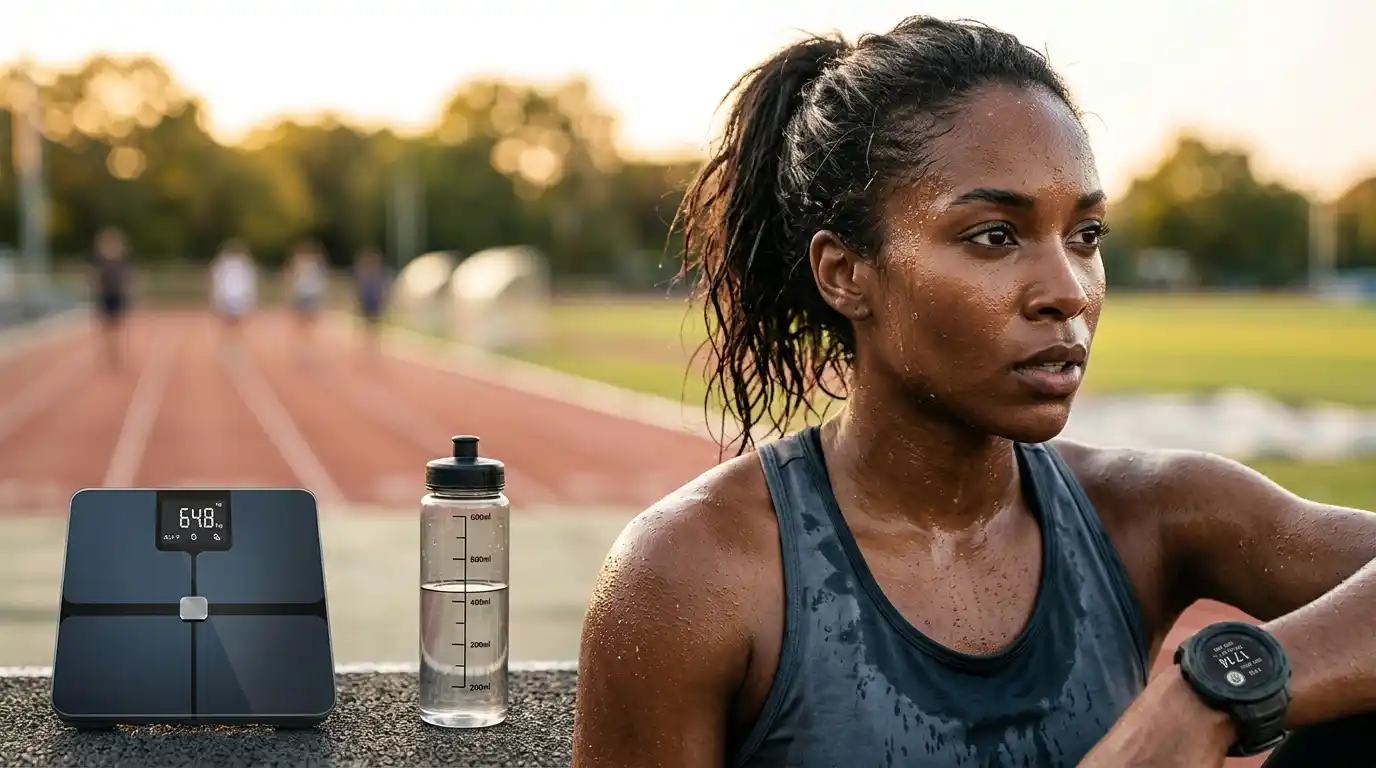 Welcome to the ultimate Sweat Rate Calculator. Whether you’re a marathon runner, triathlete, cyclist, or just someone who sweats heavily during gym sessions, understanding your individual fluid loss is the single most important step toward unlocking your athletic potential and staying safe. Most athletes simply guess how much to drink, but elite performance is built on precision. This guide will teach you not only why a sweat rate calculator matters, but also how to use one to build a personalized hydration plan that takes into account your unique physiology, the weather, and your exercise intensity.
What Is a Sweat Rate Calculator and Why Do You Need One?
A sweat rate calculator is a tool that estimates how much fluid you lose during exercise. It works by comparing your body weight before and after a workout, while also accounting for any fluids you drank and urine you passed during that time. The result is typically expressed in litres per hour or millilitres per hour. Why does this matter? Because both dehydration and overhydration (hyponatremia) can ruin your performance and even become life-threatening. Dehydration reduces blood volume, making your heart work harder and your muscles ache sooner. Overhydration, on the other hand, dilutes your blood sodium to dangerously low levels, which can cause confusion, cramps, and collapse. Using a sweat rate calculator removes the guesswork. You won’t have to rely on thirst – which is a delayed signal – or generic advice like “drink eight glasses a day.” Instead, you will know exactly what your body needs.The Science of Sweat: How Much Sweat Per Hour Exercise?
One of the most common questions athletes ask is, “how much sweat per hour exercise should I expect?” The answer varies dramatically from person to person. Some people lose as little as 0.5 litres per hour in cool conditions, while heavy sweaters can lose over 3 litres per hour in heat. Factors that influence sweat rate include:- Body size: Larger athletes generally sweat more.
- Exercise intensity: The harder you work, the more heat your body must shed.
- Environmental conditions: Temperature, humidity, and wind all play a role.
- Acclimatization: Heat-adapted athletes sweat sooner and more profusely, but they also lose less sodium.
- Genetics: Some people simply inherit a higher sweat rate.
How to Perform a Sweat Rate Test for Athletes
Performing a sweat rate test for athletes at home requires nothing more than a scale, a towel, and a measuring bottle. Here’s the step-by-step method that exercise physiologists use:- Weigh yourself naked immediately before your workout. Record this weight in kilograms (e.g., 70.0 kg).
- Complete your planned exercise session. Do not urinate during the session if possible, but if you must, measure or carefully estimate the volume (urine volume).
- Track exactly how much fluid you drink during the session. Measure it in millilitres or litres.
- After the workout, towel off any sweat on your skin and weigh yourself naked again.
- Account for bathroom trips. If you urinated, measure or estimate that volume.
Understanding Sweating Rate and Sodium Loss
Sweating rate and sodium loss are two sides of the same coin. While a sweat rate calculator tells you how much water you lose, it doesn’t directly measure your sodium concentration. However, after you know your sweat rate, you can estimate your sodium loss by knowing your sweat sodium level (which can be tested via a sweat patch, or you can assume an average of 900–1100 mg of sodium per litre of sweat). Many athletes overlook the need to replace not just water, but also electrolytes. If you replace only plain water after losing 1.7 litres of sweat (which might contain 1,500 mg of sodium), you dilute your blood sodium, putting yourself at risk of hyponatremia. This is why your personalized hydration plan must include an appropriate sports drink or electrolyte supplement, not just plain water.Post Workout Weight Loss Rehydration: How to Refuel Properly
A critical concept in sports nutrition is post workout weight loss rehydration. After training, many athletes weigh less than they did before – sometimes significantly. This acute weight loss is almost entirely fluid, not fat. To recover properly, you need to replace 1.5 times the volume of fluid you lost. For example, if your sweat rate test shows you lost 2 kg (2 litres) during a long run, you should drink about 3 litres (1.5 × 2) over the next few hours to fully rehydrate, because you will continue to urinate some of the fluid you consume. Our sweat rate calculator can automatically generate a post‑workout rehydration target. Simply input your sweat rate, and it will give you a recommended volume to drink within two hours of finishing exercise.Hydration for Marathon Runner: Special Considerations
If you are a marathoner, hydration for marathon runner takes on a whole new level of importance. During a marathon, you are on your feet for 3–6 hours, often in rising heat. Drinking too little leads to severe dehydration and cramping. Drinking too much plain water leads to exercise‑associated hyponatremia (EAH), which is a leading cause of medical emergencies in marathons. For marathoners, we recommend doing your sweat rate test on a long training run of at least 90 minutes, in conditions similar to race day. Then, use the calculator to determine your hourly fluid needs. On race day, do not simply drink at every aid station – drink to match your sweat rate. If your sweat rate is 800 ml/hour, and each cup holds 150 ml, you need roughly 5 cups spread evenly over the hour, not a full cup every mile. Many running watches now have built‑in drink alerts, but they are useless without knowing your personal sweat rate. Use our calculator to set them intelligently.The Role of a Personalized Hydration Plan
Everyone talks about “drinking to thirst,” but thirst is a poor indicator during intense exercise because it lags behind your actual fluid deficit. A personalized hydration plan created from your sweat rate data is far superior. An ideal plan specifies:- Pre‑exercise hydration (e.g., drink 5–7 ml per kg of body weight 2–4 hours before).
- During‑exercise fluid intake (your sweat rate minus estimated gastric emptying limits, if needed).
- Electrolyte strategy (how much sodium, potassium, magnesium per litre of drink).
- Post‑exercise rehydration volume and timing.
Common Mistakes When Using a Sweat Rate Calculator
- Doing the test only once: Your sweat rate changes with temperature, humidity, exercise intensity, and even clothing. You should perform the test in different conditions and build a personal database.
- Forgetting to weigh naked: Sweaty clothes can hold between 0.2 and 0.5 kg of fluid, distorting your result.
- Ignoring urine volume: Even a small bathroom break can skew your calculation if not accounted for.
- Assuming you can drink as much as you sweat: The gut can only absorb about 1.2–1.5 litres of fluid per hour for most people. If your sweat rate is higher, you must pre‑hydrate and drink more post‑exercise to make up the deficit.
How Our Sweat Rate Calculator Works
Our tool uses the well‑established formula:Sweat Rate (L/h) = (Pre‑exercise body weight (kg) — Post‑exercise body weight (kg) + Fluid consumed during exercise (L) — Urine volume during exercise (L)) / Exercise duration (hours)
Simply enter your numbers, and the calculator instantly returns your sweat rate. It also provides a colour‑coded recommendation: green for a normally hydrated zone, yellow for moderate dehydration, and red for severe fluid loss that demands immediate attention. Additionally, the tool provides a personalized hydration plan snippet: how much to drink per 15‑minute interval during future runs, and the total volume to consume post‑exercise for optimal post workout weight loss rehydration.Real‑World Example: From Sweat Rate to Race Day Success
Imagine a 75 kg cyclist training for a century ride. She does a sweat rate test on a 2‑hour ride at 28°C. Pre‑weight: 75.0 kg. Post‑weight: 73.0 kg. She drank 1.0 L of water. No urine. Her sweat rate = (75.0 – 73.0 + 1.0) / 2 = 1.5 L/h. This is high but manageable. Her personalized hydration plan now says she needs to drink 375 ml (about one large bike bottle) every 15 minutes to keep pace. She also needs 1,500 mg of sodium per hour, so she adds electrolyte tablets to her bottles. Without this data, she would probably drink far less, end up severely dehydrated by hour 3, and her performance would crash. This is the power of knowing your sweat rate calculator numbers.Frequently Asked Questions (FAQs)
Ready to Get Started?
The Sweat Rate Calculator on Toolimi is completely free, takes seconds to use, and requires no registration.
Use the Tool Now